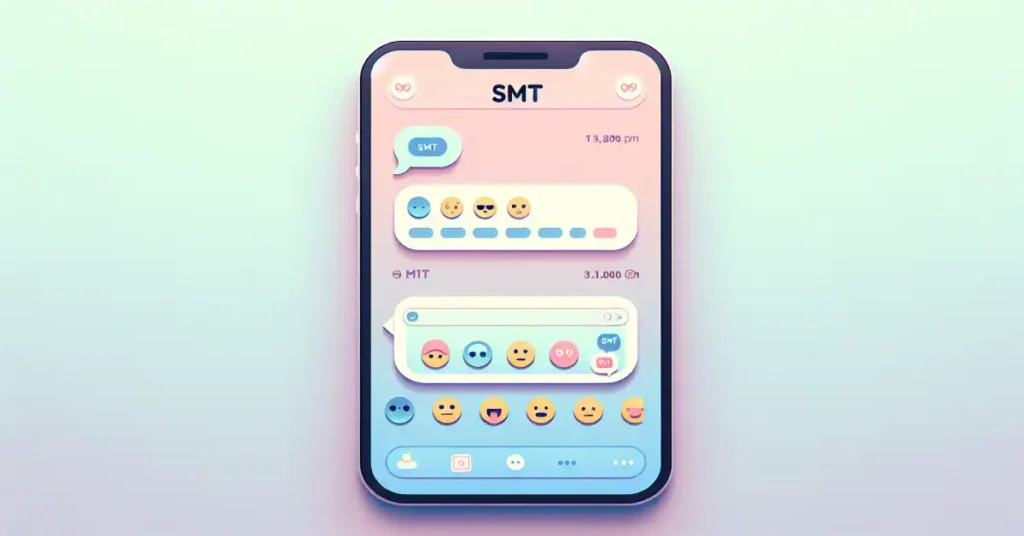
You’re texting with a friend and suddenly they type “smt” out of nowhere. Wait—what does that even mean?
Ever seen “smt” and wondered what it really means? Not sure when you should use it or if you’re reading it right?
This guide breaks down “smt” in texting, showing you the meaning, real examples, and exactly how to use it.
💬 Guide on what do smt mean in text
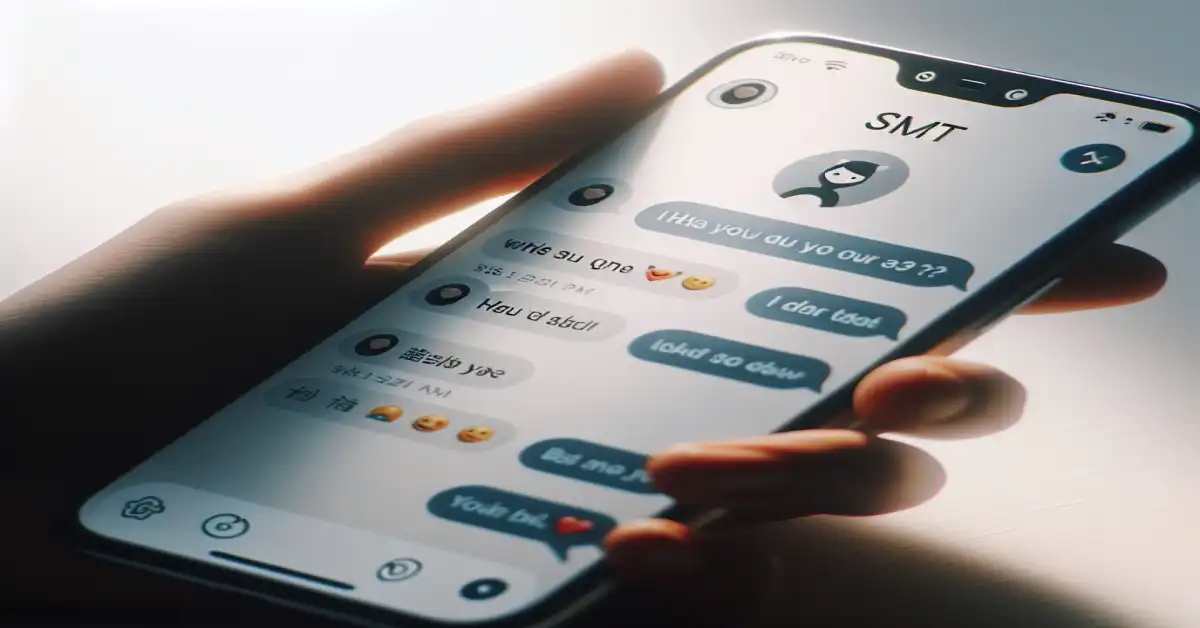
In texting, “smt” means “something.” That’s it—just a quick way to shorten the word. Teens and young adults use this to type messages faster. You’ll see it in DMs, texts, or comments.
Sometimes, “smt” is also used for “smoothing” or “Show Me The,” but almost always, it stands for “something.” This is the most common meaning in everyday texting. Not sure? You can double-check the context on resources like Urban Dictionary.
People use “smt” when they want to save time or space while texting. Instead of typing “something,” they just drop “smt.”
For example, if someone says, “Tell me smt funny,” it means, “Tell me something funny.” It’s casual and very common among friends.
This text slang shows up in group chats, social media captions, or wherever quick replies are needed. You’ll see it in jokes, confessions, and even casual arguments. For deeper context, check out this article about smt meaning on SocialTradia.
Sometimes, “smt” ends a sentence to keep things vague—like “I need smt” or “He was up to smt.”
“smt” almost always feels casual, playful, and friendly. It’s not formal—even a little lazy. If you text “smt” to a teacher or boss, it might feel disrespectful or unclear.
In serious conversations, spelled-out words (“something”) are best. But between friends, “smt” is a sign you’re relaxed and casual.
Sometimes, the tone depends on how it’s used. “Can I tell you smt?” feels sincere, while “You always want smt” can be teasing or even annoyed. For more on this, see HiNative’s chat context.
“smt” pops up on Instagram, TikTok comments, Snapchat, Discord, and Reddit. It’s popular with younger users and in fast-moving chats. You might spot it in memes or casual polls.
It’s less common in emails or work messages. If you see “smt” on a formal site, it’s probably used as part of a quote or joke. Curious about TikTok usage? See this TikTok example.
Online forums even debate if “smt” could confuse people. Reddit threads like this one discuss slang in different countries.
Sam texted: “I wanna try smt new for dinner tonight.” Here, “smt” means “something.”
Jess replies: “Tell me smt good that happened today!” Again, “smt” just stands for “something.”
You might even see: “He was up to smt last night,” used to keep things mysterious.
For more sample texts and extra chat examples, check out SimileSpark’s slang guide.
🕹️ Slang Insights & Best Practices

“smt” works best in casual chats with friends, not formal emails or business texts. Using it in a work setting could seem unprofessional or confusing.
The meaning of “smt” can shift depending on your group, location, or platform. Online slang changes fast—sometimes even within a single friend group.
Don’t use “smt” unless you’re sure your audience is familiar with chat slang. If in doubt, spell out “something.” You can read more about this tip on Yahoo Lifestyle’s abbreviation guide.
Watch out for tone! In some texts, “smt” can sound vague or even suspicious. For example: “She was hiding smt.” Here, it hints at a secret.
Avoid awkward mistakes: Don’t use “smt” in important messages, public posts meant to be clear, or with older people not used to texting slang. For more scenarios and best practices, visit SocialBoosting’s slang blog.
Check out wikiHow’s guide for step-by-step slang usage examples. If you’re ever unsure, just ask the person what they meant.
🔍 Common Scenarios and Usage

This slang appears in many situations. Here are common examples:
- Making plans: “Let’s do smt this weekend.” Here, smt replaces “something” and keeps things casual and open-ended. (SimileSpark example)
- Joking around: “He always forgets smt important!” Used when teasing someone about always missing something. (SocialTradia reference)
- Expressing curiosity: “Are you hiding smt from me?” This means the sender thinks you’re keeping a secret. (wikiHow usage)
- Vague answers: “I need smt to eat.” It’s quick, casual, and leaves things open-ended.
📝 Lessons & Takeaways
This slang depends on context and tone. It’s usually chill and casual, but can sound vague or mysterious if used wrong. (See: Urban Dictionary)
Understanding chat slang helps you fit in with online conversations and avoid confusion.
When texting new people, read the vibe first. If in doubt, just type “something.”
Conclusion
“smt” in text almost always just means “something.” It’s an online expression to save time, used for chill, casual chats.
Now you know the meaning, how it works, and when to use it.
Next time you see “smt,” you’ll get the message. For more, check the smt entry.
❓ Frequently Asked Questions
Q1: What does what do smt mean in text mean?
It means “what does ‘smt’ stand for in a message?” The answer: “smt” almost always means “something.”
Q2: How do you use it in chat?
Replace “something” with “smt” in any casual message. Example: “I want smt to drink.” Only use with friends or people who know chat slang.
Q3: Is it casual or serious?
It’s very casual. “smt” is not used in serious or formal messages. Use it only in relaxed settings.
Q4: Where is this slang most common?
You’ll see it on social media, texts, group chats, and places where quick, playful messages are needed.

Noah researches and writes about trending slang, meme language, and social media phrases for Alamcer. His goal is to make confusing abbreviations and online terms easy to understand for everyone.
Frequently Asked Questions
'Smt' is commonly used as an abbreviation for 'something.' It's a quick way to refer to an unspecified thing or idea in casual messaging.
Abbreviations help people type faster and keep messages short, especially on mobile devices. They're part of a texting culture that values speed and informality.
Yes, if someone isn't familiar with texting slang, they might not know what it means. It's important to consider your audience and use clearer language when needed.
As online communication becomes more informal, shortcuts like this gain popularity. They're part of evolving digital language trends shaped by social media and mobile apps.
Think about the tone and who you're messaging. It's usually fine with friends or peers, but for formal or professional communication, spelling out full words is safer.