Dream catcher tattoos are more than beautiful ink; they carry layers of meaning rooted in Native American culture and symbolism. If you’ve ever wondered about the dream catcher tattoo meaning, this guide will give you everything you need to understand its heritage and symbolism, inspire your design choices, and avoid common misuses. Whether you’re exploring this idea for personal expression or cultural appreciation, we’ll walk you through the symbols, styles, and real-life significance of these captivating designs.
What Is Dream Catcher Tattoo Meaning?
The dream catcher tattoo meaning stems from a time-honored Native American tradition. Originally created by the Ojibwa (Chippewa) people, dream catchers were hung over cradles or beds to filter dreams. Pleasant dreams would pass through the web, while nightmares were caught and destroyed by daylight. When etched in ink, the dream catcher becomes a permanent emblem of protection, hope, and cultural respect.
Origin and Cultural Significance
The dream catcher originated in Native American tribes, particularly the Ojibwa and Lakota. They are believed to protect the sleeper from bad dreams, allowing only good visions to slip through the mesh while the bad vibrations get trapped. Historically, they gained fame as talismans for children, deeply spiritual items tied to ritual and oral tradition.
Symbolic Elements in Dream Catcher Tattoos
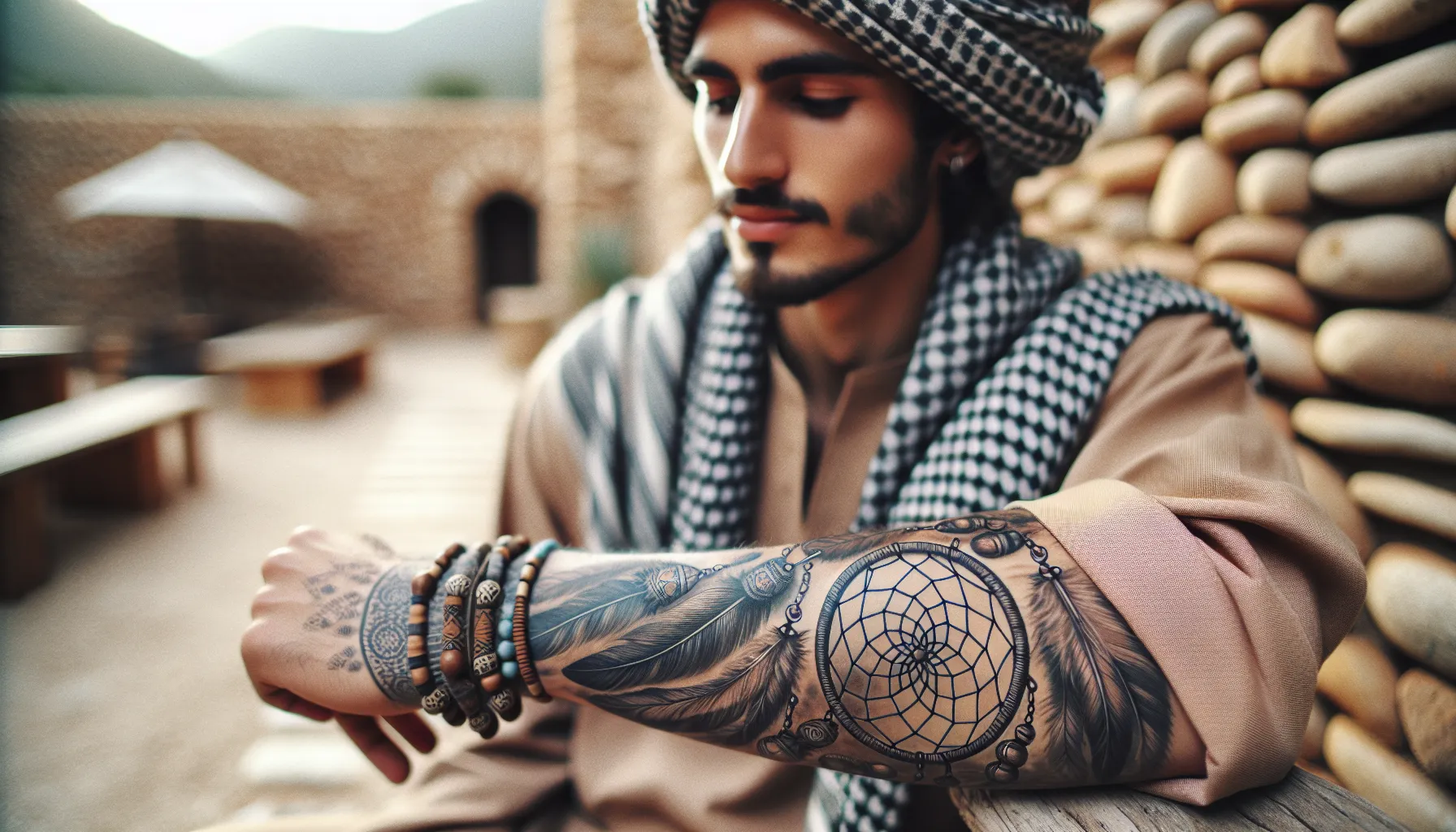
Each part of a dream catcher carries symbolic weight. The circular shape signifies the circle of life and continuity. The woven web within imitates a spider's web, symbolizing the filtration of ideas and visions. Feathers often attached at the bottom stand as messengers of blessings or symbolize air and the spirit. Beads can represent a spider or individual dreams.
Benefits of Dream Catcher Tattoo Meaning for Self-Expression
Getting a dream catcher tattoo is often an act of personal story-telling and emotional grounding. While the original spiritual meaning remains central, modern interpretations expand on its relevance to personal struggles, healing, and aesthetic resonance.
Personal Significance and Empowerment
For many, the dream catcher tattoo reflects triumph over past trauma or emotional turbulence. It's often used as a metaphor for leaving behind negativity while preserving clarity and peace. The design becomes a personal talisman of transformation and growth.
Cultural Respect and Artistic Inspiration
When done respectfully, dream catcher tattoos honor cultural heritage. Artists consulted on traditional meanings can help ensure authenticity in design. Many tattoo lovers delve deep into indigenous symbolism and stories, making the ink both a meaningful portrait and an educational opportunity.
- Symbol of Protection: Represents safety in dreams and life journeys.
- Expression of Heritage: Honors Native American ancestry or strength in tradition.
- Spiritual Anchor: A personal mission to filter thoughts or negativity.
- Artistic Versatility: Easily customizable with feathers, beads, or animals.
- Feminine and Masculine Styles: Fits either aesthetic preference.
How to Choose a Dream Catcher Tattoo Meaning That Fits You
Choosing your dream catcher tattoo isn't just about visuals—it's a journey into intentional design. Here’s how you can ensure your ink aligns with your personality, beliefs, and values.
- Research Cultural Origins: Understand where dream catchers come from and what they mean.
- Select Meaningful Symbols: Decide which elements (feathers, beads) speak to you.
- Talk to an Experienced Artist: Choose someone skilled in symbolic or cultural tattoos.
- Choose Placement Carefully: Think about visibility versus intimacy of your tattoo.
By walking through this process, you’ll not only get a tattoo that looks great but also carries deep meaning. Research ensures you avoid cultural appropriation, while consultation helps customize your ink with symbolism that matches your journey.
“A dream catcher tattoo can be a beautifully artistic expression of personal healing, provided it's approached with understanding and respect.” — InkCulture Journal
Common Mistakes With Dream Catcher Tattoo Meaning
Despite their popularity, dream catcher tattoos are often misunderstood or misused. Avoid these common pitfalls to stay true to their essence and avoid regret.
Misinterpreting Cultural Context
One major mistake is neglecting the cultural origin and assuming it’s just a decorative trend. Dream catchers come from very specific traditions. Using them without understanding risks misrepresentation, especially if inked with incorrect symbols or script.
Overcomplicating Designs
While dream catchers offer rich symbolism, cramming too many elements—like animals, names, and colors—can result in a confusing or cluttered design. Simpler designs often carry more power and clarity.
Ignoring Artist Expertise
Not all tattoo artists are skilled in detailed line work needed for dreamcatcher tattoos. Choosing the wrong artist may result in ineffective symbolism or poorly drawn webs and feathers.
Real-World Examples of Dream Catcher Tattoo Meaning in Action
Dream catcher tattoos resonate differently for every individual. Here are three strong examples that showcase their impact:
Maria's Story: After surviving a major depression, Maria got a dream catcher tattoo on her wrist. The feather points downward, symbolizing her journey toward grounding herself. She sees it as her daily reminder to “filter the bad thoughts.”
Jake’s Interpretation: A Native American, Jake chose a chest piece with a traditional web design and hawk feather. For him, it’s a tribute to his grandfather and ancestral guardianship.
Sophia’s Design: As a yoga instructor, Sophia included lotus flowers within her dream catcher. Though non-traditional, she consciously blended her philosophies with cultural homage through proper research and respectful design.
FAQ About Dream Catcher Tattoo Meaning
What does a dream catcher tattoo symbolize?
It commonly symbolizes protection, positive energy, and the filtering of negativity, especially overnight. It can also represent spiritual connection or cultural heritage.
Is it cultural appropriation to get a dream catcher tattoo?
If done without understanding or respect for Native American origins, it can be. Research, respectful design, and artist collaboration reduce this risk significantly.
Can dream catcher tattoos be personalized?
Absolutely. Many people personalize them with initials, meaningful feathers, beads, or combined symbols like animals or flowers. Balance creativity with authenticity.
Where should I place my dream catcher tattoo?
Common placements include the upper arm, shoulder blade, back, or thigh. Choose locations based on size, detail, and personal preference for display or privacy.
Ready to explore your own dream catcher tattoo meaning? Subscribe to our newsletter for inspiration, design ideas, and guides from top tattoo artists—and take the next step in honoring your story through powerful ink.