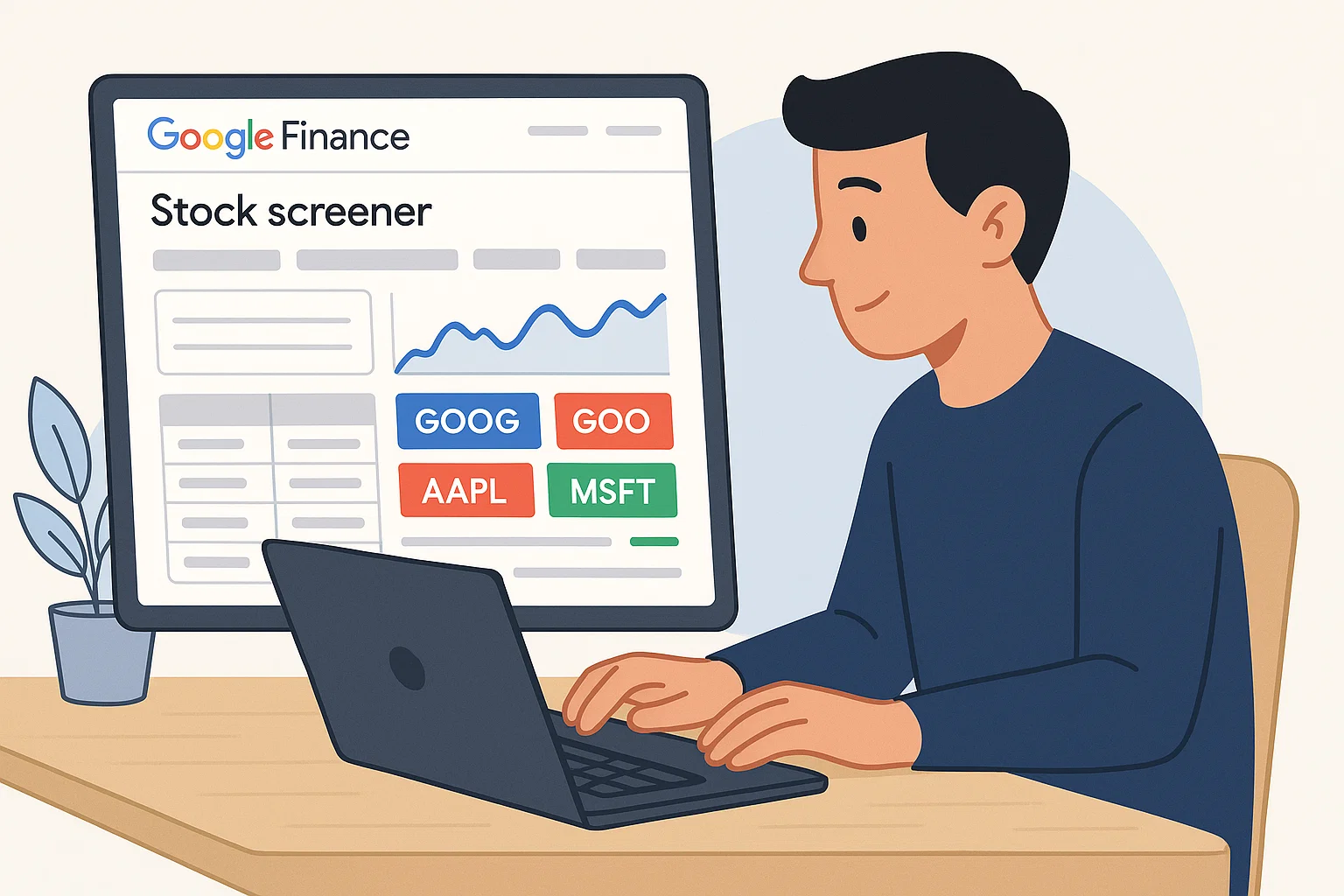
The easiest way on how to start investing in stocks online is to open a brokerage account, choose reliable companies or ETFs, and invest small amounts regularly. With smart tools and discipline, anyone can grow wealth from home safely and confidently.
Introduction
Learning how to start investing in stocks online is one of the most empowering financial steps you can take. Whether you want to build long-term wealth, save for a major goal, or simply make your money work for you, online investing offers accessibility and opportunity like never before.
The process might sound intimidating at first, especially with so much jargon—brokers, portfolios, dividends, and ETFs. But once you understand the basics, it becomes clear that online investing is just about making smart, informed choices.
In my experience, starting small with user-friendly apps like eToro or Robinhood helps you learn by doing while minimizing risks. This guide will walk you through everything: what investing in stocks means, how to set up your first account, the best tools, and the mistakes to avoid.
Understanding Online Stock Investing
What Does Investing in Stocks Mean?
Investing in stocks means buying small ownership shares of companies. When those companies perform well, the value of your shares can increase, and some even pay you dividends. This makes stocks one of the most effective ways to grow wealth over time.
Why Invest Online Instead of Traditionally?
Online platforms make stock investing simple, affordable, and accessible. You no longer need a full-service broker or large capital. Modern apps offer fractional shares, educational content, and real-time trading from your phone.
“Online investing gives individuals more control, lower costs, and faster access to global markets.” (Google)
The Role of Compounding in Growth
Compounding is the secret to wealth growth. When you reinvest your profits, they generate more earnings over time. Even small, consistent contributions can lead to big results years later.
Why It Matters for Beginners
Learning to invest early builds financial independence. You’ll understand how markets move, how companies grow, and how to protect your wealth. According to (Moz), consistent investing, not timing the market, is what drives success.
Step-by-Step Guide: How to Start Investing in Stocks Online
1. Set Clear Financial Goals
Before investing, decide your purpose—retirement, travel, education, or wealth growth. Your goals determine your risk tolerance and time horizon.
2. Choose a Reliable Online Broker
Pick a brokerage platform that offers low fees, simple navigation, and strong security. Some beginner favorites include Robinhood, Fidelity, and eToro.
3. Open and Fund Your Account
Sign up, verify your identity, and deposit money through a secure payment method. Most brokers have no minimum deposit requirement.
4. Learn the Basics of Stocks and ETFs
- Stocks: Ownership shares of companies.
- ETFs: Bundles of stocks you can buy together, offering instant diversification.
- Dividends: Company profits shared with investors.
5. Research Before Buying
Study companies using financial data, charts, and performance reports. Focus on stable, well-known businesses with strong fundamentals.
# Simple example: track stock prices in Python
import yfinance as yf

# Get stock data for Apple
stock = yf.Ticker("AAPL")
data = stock.history(period="1mo")

# Show closing prices
print(data['Close'].tail())

# This simulates how investors track performance over time.
6. Start Small and Diversify
Don’t put all your money in one stock. Spread it across industries and ETFs to reduce risk. You can start with as little as $10 using fractional shares.
7. Monitor and Adjust Regularly
Check your portfolio monthly, not daily. Focus on trends, not noise. Adjust holdings if your goals or risk levels change.
8. Avoid Emotional Decisions
Market ups and downs are normal. Patience and consistency win over panic and impulsive selling.
“Successful investors control emotions and follow strategy, not market hype.” (SEMrush)
Best Practices, Tools, and Platforms for Beginners
1. eToro
Pros:
- Social trading lets you copy successful investors
- Great for global markets
- Offers demo accounts
Cons:
- Limited research tools
- Withdrawal fees apply
Start tip: Try a demo account before investing real money.
2. Robinhood
Pros:
- Commission-free trades
- Beginner-friendly interface
- Fractional shares available
Cons:
- Limited advanced features
- Customer service can be slow
Start tip: Begin with small, consistent investments and track your results weekly.
3. Fidelity
Pros:
- Strong research and educational tools
- Trusted reputation
- No account minimums
Cons:
- Interface feels advanced for total beginners
Start tip: Explore the “Learning Center” before making your first trade.
Best Practices to Keep in Mind
- Invest for the long term: Avoid chasing short-term gains.
- Keep costs low: Choose commission-free platforms.
- Automate investments: Set recurring transfers to stay consistent.
- Diversify: Spread your money across different sectors.
Pro takeaway: The key to success is not timing the market but time in the market.
Challenges, Risks, and Compliance
Common Challenges Beginners Face
- Information overload from too many platforms
- Fear of losing money
- Impulsive trading during market drops
Risk Management Tips
- Never invest money you can’t afford to lose.
- Start with safer assets like ETFs.
- Rebalance your portfolio twice a year.
Legal and Ethical Considerations
Always read your broker’s Terms of Service (ToS) and privacy policies. Ensure they comply with GDPR and CCPA regulations for data protection.
Compliance Checklist:
- Secure login and 2FA enabled
- Transparent fee disclosure
- Clear privacy policy
- Regulatory oversight by a financial authority
// Example: Verify account safety in Node.js
try {
  const userVerified = checkAccountSecurity();
  if (!userVerified) throw new Error("Account verification failed");
  console.log("Account secure and verified");
} catch (error) {
  console.error("Security issue:", error.message);
}
If you’re uncertain about tax laws or investment risks, consult a licensed financial advisor before making major decisions.
Conclusion & CTA
You don’t need to be a finance expert to start investing—just the right plan and tools. Begin small, stay consistent, and let compounding do the heavy lifting. The key is to start today, not someday.
Welcome to Alamcer, a tech-focused platform created to share practical knowledge, free resources, and bot templates. Our goal is to make technology simple, accessible, and useful for everyone. Explore free knowledge articles, automation templates, and custom development services for bots and websites—helping developers, freelancers, and businesses thrive smarter.
FAQs
What is how to start investing in stocks online?
It’s the process of opening an online brokerage account, funding it, and buying shares of companies or ETFs to grow wealth digitally.
Is online stock investing safe?
Yes, as long as you use licensed brokers and enable security features like two-factor authentication.
How much money do I need to start?
You can start with as little as $10 thanks to fractional shares offered by many online brokers.
Can beginners really make money investing online?
Yes, if they invest consistently in solid companies or ETFs and avoid emotional trading.
What’s the best platform for beginners?
Robinhood and eToro are excellent choices due to their simplicity and educational tools.
How do I choose which stocks to buy?
Look for companies with strong fundamentals, positive growth, and products you understand.
Are there any fees involved?
Most modern platforms are commission-free, but check for withdrawal or inactivity fees.
Should I reinvest my profits?
Absolutely. Reinvesting dividends helps compound your returns over time.
Do I need to pay taxes on stock profits?
Yes, capital gains taxes apply. Always check your local tax rules or consult a tax professional.
What if the market crashes?
Stay calm, hold your investments, and continue regular contributions. Long-term investors often benefit from downturn recoveries.