Your friend sends you a message, and you see the word “null” pop up in the chat. Huh?
Ever seen this slang and wondered what it really means? Not sure when you should use it?
This guide explains what does null mean in text, how to use it, and where you’ll spot it online.
💬 Guide on what does null mean in text
🛠 Step-by-Step Instructions
Let’s start simple. In texting slang, “null” usually means nothing, empty, or no value. It’s like a blank space. The word comes from computer science, where “null” is used for something that doesn’t exist or is missing.
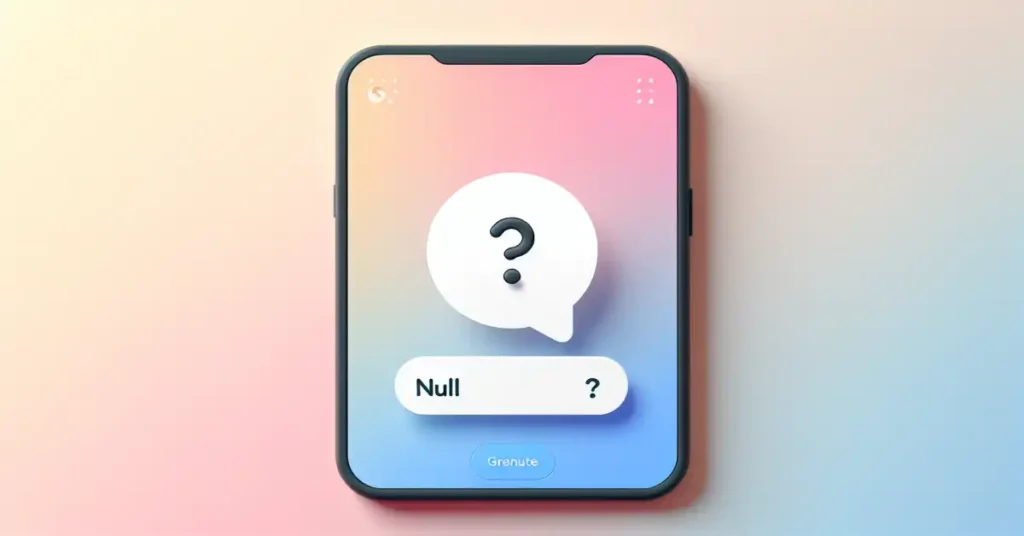
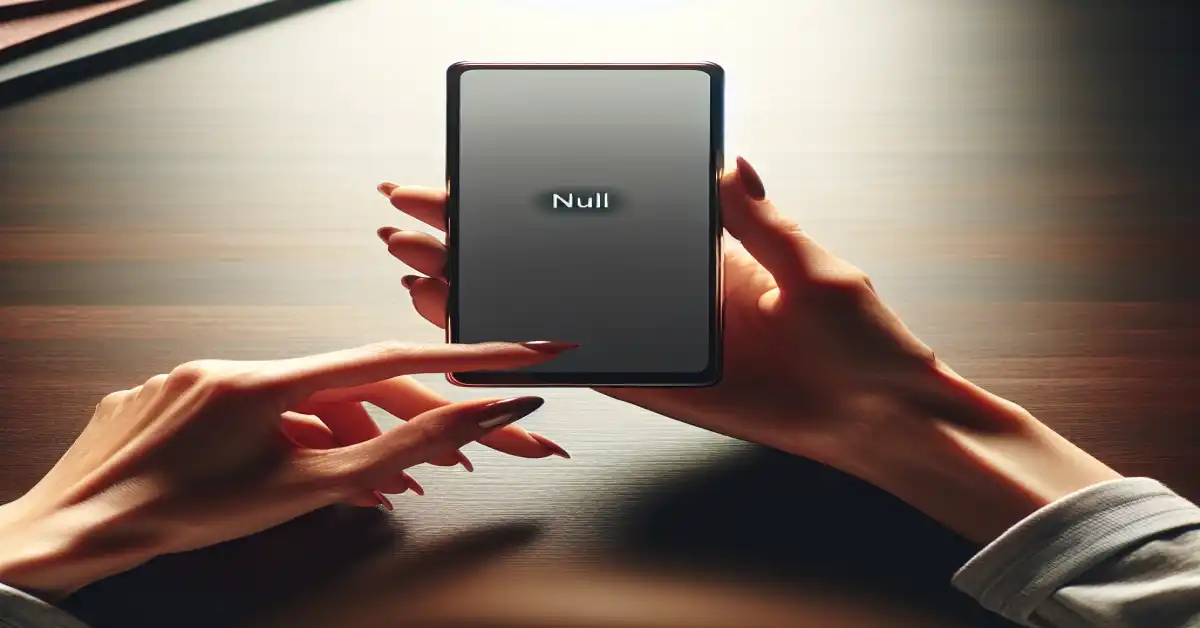
Sometimes, “null” pops up in a chat by accident. Maybe your phone or app glitched, or a message didn’t load right. Instead of text, you just see “null.”
On apps like GroupMe, WhatsApp, or iMessage, “null” can appear if there’s a tech error or the message is empty. It’s not usually something people type on purpose. You can read about this in this Quora thread about messaging slang and errors.
🛠 Meaning Explained Simply
Null means “nothing here,” “blank,” or “not found.” It’s used in both tech and casual texting. Sometimes, apps spit out “null” instead of a real message when something goes wrong.
When you see “null,” think of it as a placeholder for missing information. Like a blank line in a form—there’s just nothing there.
To get the formal definition, check Merriam-Webster’s dictionary. But in chat slang, it’s all about emptiness or a tech oops.
🛠 How People Use It in Conversations
Most people don’t use “null” on purpose in casual chat. You’ll see it when someone’s message doesn’t load. Or maybe when someone tries to send a blank text, and the app replaces it with “null.”
For example, one Reddit user got texts from their own number that just said “null.” They thought it was suspicious or a bug (read the Reddit post for details). It’s rarely slang for something secret or cool.
Sometimes, you might see “null” in chat logs, especially if the chat app had a glitch or failed to load a message. In this case, “null” just means there’s nothing to see.
Some people use “null” to joke about being “empty inside” or feeling nothing, but this is rare and usually playful.
🛠 Tone, Emotion & Context
The tone of “null” is neutral to confusing. It’s not happy, sad, or angry. If someone sends you “null” on purpose, they might be joking about being “empty” or “blank.” But usually, it’s just a tech error.
If you see “null” in a chat, don’t worry—it’s not a secret code or insult. It’s more about the system behind the message than what your friend meant to say.
Want to understand more about the feeling behind “null”? Check this Apple discussion where users talk about message errors and meaning.
🛠 Where You’ll See This Slang Online
“Null” shows up in chat apps, SMS, and even social media comment threads. You’ll find it when there’s a glitch, or when a message loads wrong.
You may also spot “null” on forums, like MacRumors, where people ask about strange messages or notifications. It’s a common tech hiccup across messaging platforms.
🛠 Real Chat Examples
Here’s how “null” might show up in real life:
Sam: “Hey, did you get my last message?” Alex: “All I saw was ‘null’ lol. Try again?”
Parent: “Why did you send me ‘null’?” You: “Weird! My phone glitched, sorry!”
Or you might see a blank reply with just “null” in the chat bubble. That’s a tech thing, not a secret slang code.
If you see “null,” consider the context. With friends, it’s usually a tech glitch, not something personal. In formal chats, seeing “null” might look unprofessional—so don’t use it on purpose at work.
Online, slang meanings can shift fast. “Null” started as a programming and tech word, but now it’s just as likely to pop up from a phone bug in your DMs.
Don’t use “null” to replace real words in conversation. Most people won’t get it. It can make your message look confusing or incomplete. Unless you’re joking about “feeling empty,” skip it!
The tone behind “null” is rarely emotional. If you ever feel a friend meant something deeper, just ask. Usually, it’s not about you—it’s a tech hiccup.
Even though “null” isn’t really slang you use for fun, understanding it helps you read online and text conversations more confidently. For tech details, check Merriam-Webster’s entry.
It’s okay to ask when you’re confused. If a chat says “null,” it’s not something you missed—it’s usually just a glitch.
🔍 Common Scenarios and Usage
This slang appears in many situations. Here are common examples:
Message failed to send: You try to send a blank text and “null” appears instead. This is common on some messaging apps (more details).
Chat error: Someone’s reply shows as “null” because the app had a glitch or lost data (see MacRumors forum).
Tech joke: A friend sends “null” on purpose to be silly, pretending to be a robot with no feelings—rare, but possible.
Contact info lost: Your phone can’t display a name or number, so it replaces it with “null.” (Read more tips here.)
📝 Lessons & Takeaways
“Null” isn’t really slang you use for fun—it’s a tech word that slipped into chat life.
Tone and meaning depend on context. If you see “null,” it’s usually a glitch, not a hidden message.
Still unsure? It’s perfectly normal to ask your friend or check trusted forums like Apple Support.
Conclusion
Now you know what does null mean in text. It’s usually not a slang code but a tech term for “nothing” or a glitch.
If you see “null,” you don’t have to worry. It’s not a secret insult, just a little tech hiccup or a blank spot in the chat.
Next time “null” appears, you’ll know how to handle it. For more real-life examples, check out this helpful discussion on Quora.
❓ Frequently Asked Questions
Q1: What does what does null mean in text mean?
It means “nothing,” “empty,” or “no value.” Usually, it’s a tech error or blank spot in your message.
Q2: How do you use it in chat?
Most people don’t use “null” on purpose. It appears when a message fails to load, or as a tech joke.
Q3: Is it casual or serious?
It’s not formal or serious. “Null” is more of a tech glitch than real slang used in conversation.
Q4: Where is this slang most common?
You’ll see “null” in text apps, chat logs, or social media—wherever there’s a messaging error or data glitch.
Liam is a passionate language nerd and writer at Alamcer.com, specializing in breaking down the real meanings behind internet slang and texting acronyms. With a sharp eye for online culture and how people actually communicate, Liam turns confusing slang and abbreviations into clear, simple explanations anyone can understand. His goal is to help readers stay up-to-date with modern online language — one slang term at a time.
Frequently Asked Questions
In text conversations, 'null' usually indicates that no data or message was sent, often because of a technical glitch. It might appear when there's a failed message or a placeholder where content was expected.
'Null' can appear if a messaging app encounters an error while loading or sending data. It's not typically intentional and often suggests something went wrong with the message delivery or formatting.
Itu2019s usually not a major concern, but it can signal a technical issue that might affect communication. If it happens often, checking app updates or restarting the device can help resolve it.
As messaging platforms grow more complex and integrate with different systems, small glitches like 'null' popping up have become more visible. Increased smartphone usage and app interconnectivity make these placeholders more likely to appear.
You can ask the sender to resend their message, as they may not know the issue occurred. Being aware that itu2019s likely a tech error helps you avoid misinterpretation and keeps the conversation clear.