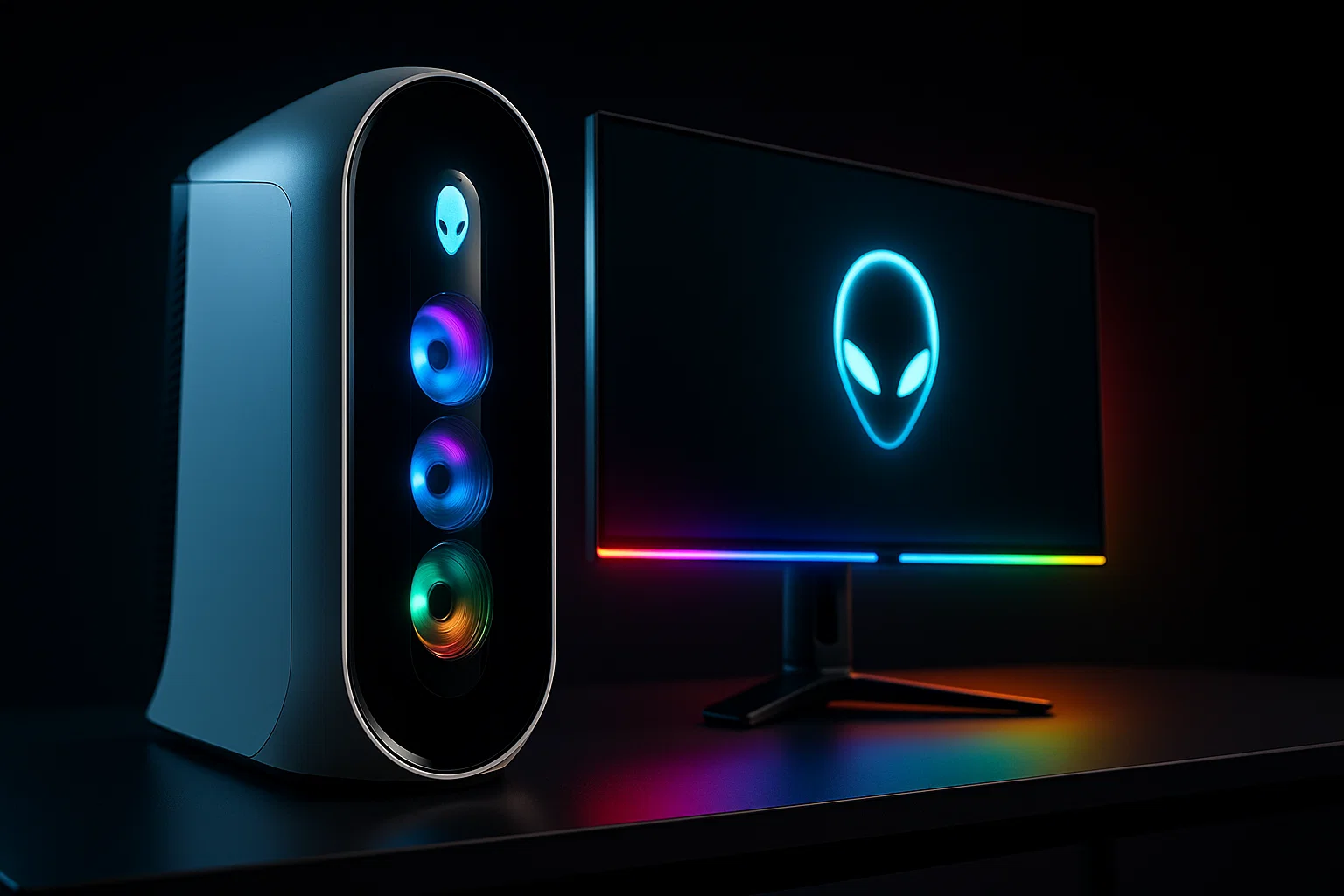
An alienware pc gives you a plug-and-play high-performance gaming platform; this guide shows what it is, how to tune it, upgrade paths, troubleshooting, and tools so you can get the best frame rates and reliability quickly.
Introduction
Alienware PC is a go-to for gamers and creators who want a powerful, mostly ready-to-run system. This post is informational and practical — you’ll get clear steps to optimize, upgrade, and troubleshoot your machine. I’ll cover background, hands-on setup, best practices, and real-world examples using benchmarking and small code snippets for system checks. Expect tips on cooling, storage, GPU choices, and tools like benchmarking suites and monitoring apps.
What is an Alienware PC and why it matters
Alienware PC describes Dell’s high-end desktop and laptop line tuned for gaming and content creation. Built around powerful CPUs, discrete GPUs, and distinctive design, these systems matter because they let you focus on play or creation rather than component shopping.
Origins and positioning
Alienware started as a boutique gaming brand and was later acquired by Dell. Today it sits at the premium end, balancing aesthetics, warranties, and bundled tools like BIOS tuning and thermal management.
Core components that define it
- CPU: high-core count processors for streaming and multitasking.
- GPU: modern discrete GPUs for high frame rates and ray tracing.
- Cooling: advanced airflow, vapor chambers, or liquid options.
- Software: bundled performance profiles, LED control, and diagnostics.
Why it matters to you
If you want fewer compatibility headaches and good manufacturer support, an Alienware PC reduces setup friction. For competitive gaming, consistent thermal and power delivery helps maintain stable FPS. For creators, available CPU/GPU combinations speed up renders and exports.
“Top vendors document performance tuning options and warranty support to help users maintain peak performance.” (Dell)
“Regular benchmarking and thermal checks are recommended to sustain long-term performance.” (Moz)
How to set up, optimize, and upgrade — step-by-step
This is a practical how-to section with numbered steps and a small code example for a quick system check.
1. Unbox and place
- Choose a ventilated spot, keep at least 4 inches from walls.
- Connect monitor, keyboard, mouse, and power. Use the included power cable for guaranteed wattage.
- Boot and install the latest BIOS and drivers from Dell Support.
2. Configure Windows and power
- Set power plan to High Performance.
- Turn off unnecessary startup apps.
- Install GPU drivers (NVIDIA/AMD) and the Dell support assistant.
3. Benchmark and baseline
- Run a benchmarking tool like 3DMark or Unigine to get a baseline score.
- Monitor temperatures using HWMonitor or similar.
4. Upgrade paths
- Add NVMe SSD for faster load times.
- Upgrade RAM to recommended capacity for your workloads.
- GPU upgrades depend on chassis size and PSU wattage — check physical clearance and power connectors.
5. Tuning
- Use vendor performance profiles but test voltages/curves in small steps.
- Improve airflow: reorder cables, add more fans, or consider a better thermal paste.
Quick system check (Node.js example)
// node: simple CPU and memory info check using os module
const os = require('os');

// print CPU cores and free memory
console.log('CPU cores:', os.cpus().length);
console.log('Free memory (MB):', Math.round(os.freemem() / 1024 / 1024));

// minimal error handling
try {
  console.log('Total memory (MB):', Math.round(os.totalmem() / 1024 / 1024));
} catch (err) {
  console.error('Could not read memory info', err.message);
}
This small script helps you verify basic system specs before and after upgrades.
Best practices, tools, and pros & cons
Best practices
- Keep drivers and BIOS updated.
- Use surge protection and an adequate UPS for power stability.
- Regularly clean dust and check fan curves.
Recommended tools
- HWMonitor — Pros: detailed thermal/power readouts; Cons: UI is utilitarian. Install tip: download from the official vendor page and run as admin.
- 3DMark — Pros: industry-standard benchmark; Cons: paid advanced tests. Install tip: use the basic free suite to get a reliable score.
- CrystalDiskMark — Pros: quick SSD/HDD throughput checks; Cons: synthetic tests may differ from real-world usage. Install tip: run sequential and random tests after SSD upgrades.
Pros and cons of Alienware PC
- Pros: strong out-of-box performance, manufacturer support, cohesive design.
- Cons: premium price, limited custom cooling options in some chassis.
Key takeaways: keep drivers updated, benchmark before and after changes, watch temperatures.
Challenges, compliance, and troubleshooting
Common challenges
- Thermal throttling under long loads.
- PSU not enough for aftermarket GPU.
- Warranty constraints when modifying hardware.
Troubleshooting steps
- Re-run benchmarks to isolate dips.
- Check thermal throttling logs in BIOS or with HWMonitor.
- If an upgrade breaks boot, revert to stock and test components individually.
Compliance checklist
- Check warranty terms before opening the chassis.
- Use static protection when handling internals.
- Keep receipts and serial numbers for support claims.
Legal and ethical considerations
Modifying hardware can void warranty in some cases, check the manufacturer policy. For data privacy, back up drives before system changes. If you handle user data, comply with applicable privacy laws and best practices.
Alternatives
If you prefer full customization, consider a custom-built rig from respected boutiques, or a different branded prebuilt with easier upgrade paths.
Accessibility, maintenance, and small business notes
Make sure your setup is ergonomic, with readable fonts and accessible peripherals. Use color-contrast themes if you have vision needs. For small businesses, standardized Alienware PCs can simplify support and imaging.
Conclusion + CTA
An Alienware PC gives you a strong starting platform for gaming and content creation. Follow the setup, tuning, and upgrade steps here to improve performance and longevity. Welcome to Alamcer, a tech-focused platform created to share practical knowledge, free resources, and bot templates. Our goal is to make technology simple, accessible, and useful for everyone. We provide free knowledge articles and guides in technology, offer ready-to-use bot templates for automation and productivity, and deliver insights to help developers, freelancers, and businesses. For custom development services for bots and websites, contact us through Alamcer.
Compliance & disclaimer
This guide is informational and not legal advice. Review your device warranty and local regulations before hardware modifications. For specific legal, tax, or warranty questions consult a qualified professional.
FAQs
What is alienware pc?
An Alienware PC is Dell’s premium gaming and high-performance computer line, built for gamers and creators with powerful CPUs, discrete GPUs, and tuned cooling, delivered as desktops and laptops.
Is an Alienware PC good for streaming?
Yes, Alienware PCs have the CPU and GPU headroom for streaming, especially when paired with sufficient RAM and a fast SSD.
Can I upgrade the GPU in an Alienware PC?
Often yes for desktops, check chassis clearance, PSU wattage, and manufacturer guidance before buying a new GPU.
Will upgrading SSD improve game load times?
Yes, moving to an NVMe SSD substantially reduces load times and improves system responsiveness.
How do I prevent thermal throttling?
Improve case airflow, clean dust, check fan curves, apply quality thermal paste, and consider more aggressive cooling profiles.
Do Alienware PCs come with warranty support?
Yes, they include Dell’s standard hardware warranty, with extended options available at purchase.
Are Alienware PCs VR-ready?
Many Alienware PC configurations are VR-ready, but check the specific GPU and CPU specification to be sure.
How often should I update drivers?
Check monthly, and always update before major releases or after hardware changes.
Should I overclock my Alienware PC?
You can, but overclocking increases heat and power draw and may void warranty; test carefully and monitor temps.
How to benchmark my system?
Use tools like 3DMark for GPU, Cinebench for CPU, and CrystalDiskMark for storage to get repeatable scores.
External authoritative links
- For driver and BIOS updates, see Dell Support (official docs).
- Read Google guidelines for page experience and SEO (Google guidelines).
- Learn benchmarking basics from Moz and SEMrush resources (Moz, SEMrush).
Short quoted paraphrases
Industry support docs emphasize regular driver updates and documented tuning tools to maintain stability. (Dell)
SEO and content best practices recommend clear headings and snippet-friendly TL;DRs for better CTR. (Google)