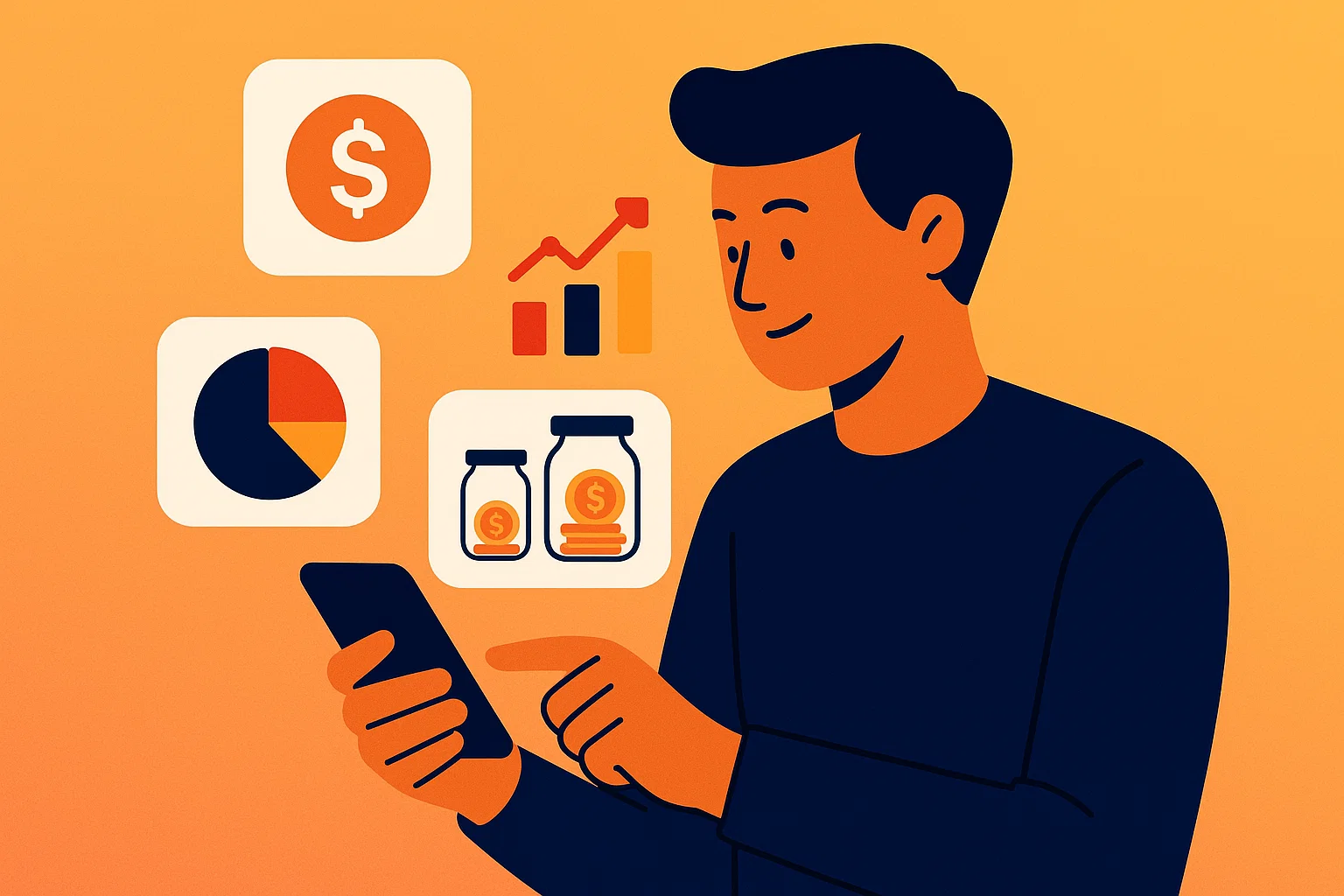
The best budgeting apps for beginners 2025 make money management simple by tracking expenses, automating savings, and helping you stay on budget with intuitive dashboards and personalized insights, all from your phone.
Introduction
The best budgeting apps for beginners 2025 make financial control easy, even if you’ve never tracked your money before. Whether your goal is to save more, reduce debt, or simply understand where your cash goes, these apps can guide you step-by-step.
This article dives into the most user-friendly budgeting tools that combine automation, visual reports, and AI-driven insights to simplify personal finance. You’ll also get a clear roadmap for setting up your first budget and choosing the right app for your goals.
In my experience, starting with a simple app that automatically syncs with your bank account helps you stick to your goals without feeling overwhelmed. Let’s explore how to make budgeting actually work for you.
Why Budgeting Apps Matter for Beginners
Understanding the Basics
Budgeting apps simplify the most challenging part of personal finance—tracking where your money goes. Instead of spreadsheets or guesswork, these apps automatically categorize your transactions, helping you visualize spending patterns instantly.
The Psychology Behind Budgeting
A key reason people struggle with money is emotional spending. Apps like You Need a Budget (YNAB) use behavior-based systems that encourage you to “give every dollar a job.” This approach helps beginners build lasting financial habits without guilt or confusion.
How Budgeting Apps Help You Build Confidence
When you use a budgeting app, you’re not just saving money—you’re building awareness and control. According to (Google), financial awareness is the first step to reducing money-related stress. Apps provide real-time insights that empower decision-making and create consistent progress.
Why 2025 Is the Perfect Time to Start
With inflation, digital banking, and AI automation improving daily, now’s the easiest time to get started. Modern apps can automatically identify subscriptions, forecast bills, and even suggest personalized savings targets using machine learning.
How to Start Budgeting Like a Pro (Even as a Beginner)
Step 1: Choose Your Budgeting Method
Pick a simple system—either 50/30/20 (needs, wants, savings) or zero-based budgeting (assign every dollar a purpose). Most modern apps support both, letting you test which feels most natural.
Step 2: Download and Connect
Install your chosen app and securely connect it to your bank accounts. Look for platforms that use 256-bit encryption and comply with GDPR for safe data handling.
# Example: Categorize expenses by type (Python)
transactions = [("Groceries", 150), ("Transport", 40), ("Entertainment", 60)]
categories = {"Groceries": 0, "Transport": 0, "Entertainment": 0}

for item, amount in transactions:
    categories[item] += amount

for cat, total in categories.items():
    print(f"{cat}: ${total}")  # Simple budget overview
This simple code shows how apps group and display your expenses automatically.
Step 3: Set Smart Alerts
Use spending limits and savings reminders. Apps like Mint and PocketGuard offer instant alerts when you exceed a category budget.
Step 4: Automate Savings
Set up automatic transfers to your savings account after each paycheck. Automation ensures consistency and helps you grow your funds effortlessly.
Step 5: Track and Adjust Monthly
At the end of each month, review what worked. Apps visualize this with color-coded charts and progress bars so you can refine without feeling restricted.
Recommended Budgeting Apps & Tools
1. Mint
Pros:
- Free to use, with automated transaction tracking
- Easy-to-read financial summaries
- Syncs multiple accounts seamlessly
Cons:
- Ads can be distracting
- Limited customization
Start tip: Download, link your accounts, and get your first spending overview in under 5 minutes.
2. YNAB (You Need A Budget)
Pros:
- Great for building discipline
- Clear financial philosophy (“give every dollar a job”)
- Robust educational content
Cons:
- Paid subscription
- Learning curve for total beginners
Start tip: Use the free trial to learn zero-based budgeting firsthand.
3. PocketGuard
Pros:
- Shows exactly “how much you can spend” after bills
- Great mobile experience
- Secure and beginner-friendly
Cons:
- Fewer advanced reports
- Not ideal for multiple currencies
Start tip: After setup, check the “In My Pocket” balance daily to prevent overspending.
“Budgeting apps turn raw bank data into personalized money insights, helping you stay proactive rather than reactive.” (Moz)
Bonus Resources:
- Google Finance Guide – Learn the basics of money management.
- SEMrush Finance Blog – Financial SEO and marketing tips.
- YNAB Official Docs – Learn zero-based budgeting deeply.
Common Challenges & Compliance Considerations
Data Privacy and Security
When choosing apps, always verify their GDPR and CCPA compliance. Reputable platforms will clearly disclose how your data is stored and shared.
Compliance Checklist:
- Uses end-to-end encryption
- Offers transparent data policy
- Allows account deletion anytime
- Regularly updates app security
Ethical Considerations
Avoid apps that push high-interest “credit offers” or manipulate spending behavior. Look for transparent pricing and no hidden upsells.
Troubleshooting Common Issues
If your app isn’t syncing, try refreshing bank connections or re-verifying two-factor authentication.
// Example: Handle sync error in Node.js
try {
  syncBankAccounts();
} catch (error) {
  console.error("Sync failed:", error.message);
}
This reflects how apps handle errors behind the scenes.
“Users should always review app permissions and data-sharing terms before connecting bank accounts.” (SEMrush)
If you’re ever unsure about financial terms or privacy laws, consult a certified financial advisor or legal expert for personalized guidance.
Conclusion & CTA
Starting your financial journey doesn’t have to be complicated. With the best budgeting apps for beginners 2025, you can build lasting habits, track progress, and reach your money goals confidently.
Welcome to Alamcer, a tech-focused platform created to share practical knowledge, free resources, and bot templates. Our goal is to make technology simple, accessible, and useful for everyone. Explore free guides, ready-to-use automation templates, and custom development services for bots and websites—tailored to help you grow smarter and faster.
FAQs
What is the best budgeting apps for beginners 2025?
It’s a list of user-friendly budgeting tools that help you track spending, save money automatically, and gain control of your finances through intuitive dashboards and smart insights.
How do budgeting apps work?
They connect to your bank accounts, categorize expenses, and visualize spending through charts and reports so you can make better financial decisions.
Are budgeting apps safe?
Yes, most apps use advanced encryption and comply with data privacy laws like GDPR and CCPA. Always review their privacy policy before connecting accounts.
Which app is best for first-time users?
Mint and PocketGuard are great for beginners thanks to their simplicity and automatic syncing features.
Can I use budgeting apps offline?
Some apps offer offline tracking, but features like syncing and alerts need an internet connection.
Do I need to link my bank account?
It’s optional. You can enter transactions manually if you prefer full control over your financial data.
Are these apps free?
Mint is free, while YNAB and others offer paid plans with extra features like goal tracking and custom reports.
Can budgeting apps help me save faster?
Yes, many include automatic savings options and spending alerts to keep you accountable and consistent.
What’s the difference between YNAB and Mint?
Mint focuses on tracking, while YNAB emphasizes proactive planning and long-term habit building.
What if my budgeting app stops working?
Check for updates, reconnect accounts, or reach out to the app’s support team for troubleshooting assistance.
![Best Automation Tools for Software Testing in 2025 [Top Picks for Speed & Accuracy]](https://alamcer.com/storage/posts/zwTYFVSx4DH8OdJ1S8g9c3Fgito9tN8KWH4OeIvU.webp)