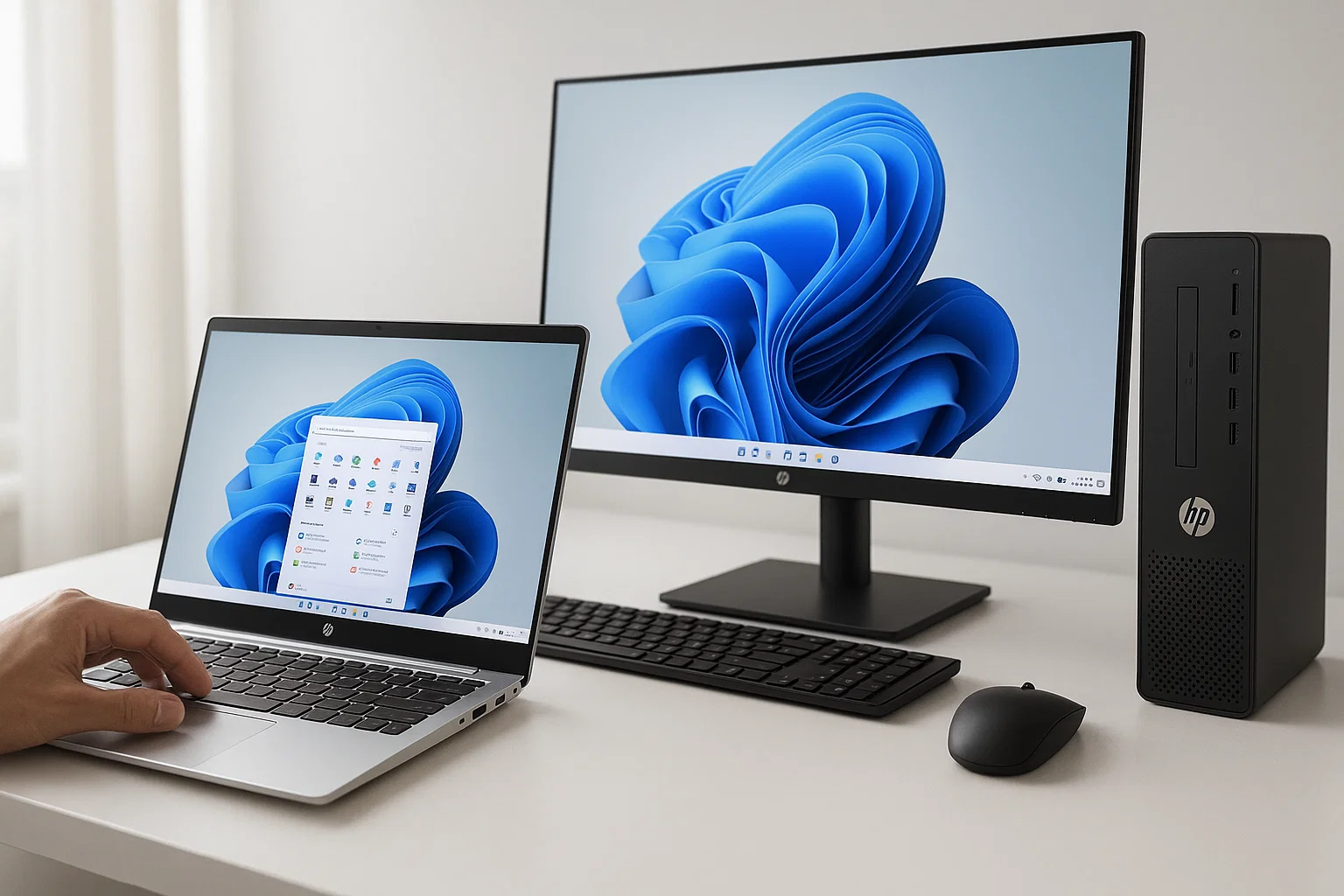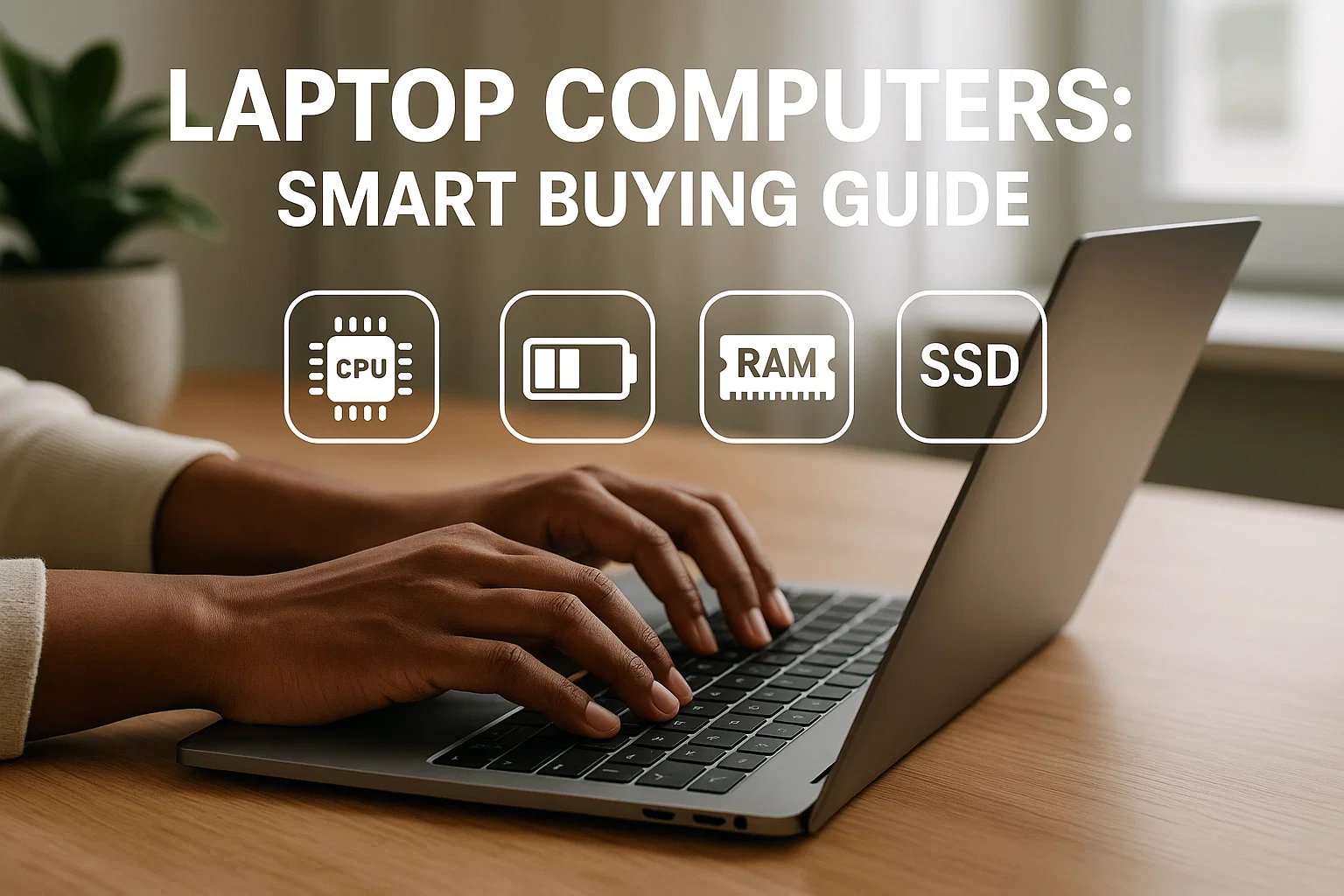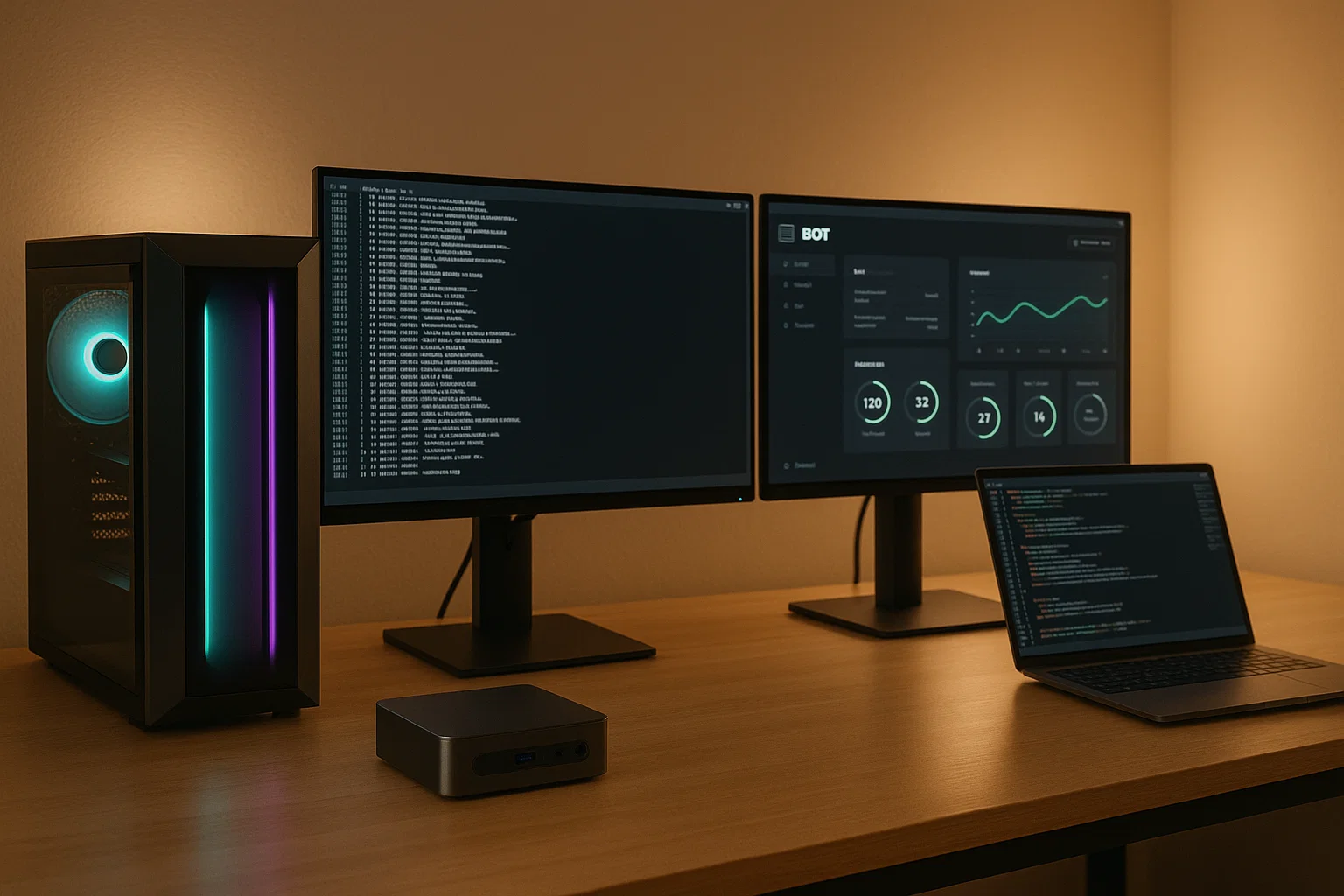
In today’s rapidly evolving digital world, the term hi tech computers signifies more than just powerful machines—it represents progress, innovation, and the future. These advanced systems blend artificial intelligence, cloud integration, and sleek hardware design to reshape how we live and work. This article explores the rise of hi tech computers, their functions, benefits, and how you can leverage their capabilities for personal or business use.
What Is Hi Tech Computers?
The phrase “hi tech computers” refers to computers built with the latest hardware and software innovations. They are engineered to perform complex tasks quickly, often used in data science, artificial intelligence, gaming, and advanced analytics. Unlike basic consumer laptops, these machines incorporate components like quantum chips, neural processing units, and adaptive AI algorithms.
Key Components of Hi Tech Computers
Modern hi tech computers depend on bleeding-edge components to handle demanding tasks:
- AI Processors: Chips optimized for machine learning and deep learning tasks.
- Solid-State Drives (SSD): Fast storage that reduces load times and improves reliability.
- Quantum Co-Processors: Experimental components that solve calculations beyond regular CPUs.
- High-Resolution GPUs: Essential for rendering graphic-heavy applications like VR or 3D modeling.
- 5G/6G Networking: High-speed connectivity for cloud and IoT applications.
Applications in Everyday Life
These machines affect areas such as education, business, science, and creativity. Smart classrooms use AI-enhanced systems. In offices, predictive algorithms streamline operations. Creative professionals harness hi tech desktops for video rendering, music production, and virtual reality artwork.
Benefits of Hi Tech Computers
Hi tech computers bring a wide array of advantages that enhance productivity, security, and innovation.
- Performance Efficiency: Dramatic boosts in processing power help users perform multitasking without delays.
- Data Security: Advanced encryption and biometrics make them harder to compromise.
- Energy Efficiency: Many newer units consume less power while delivering better results.
- Cloud Integration: Seamless access to data across platforms and devices.
- AI Enhancement: Integrated machine learning features adapt tasks based on usage patterns.
For example, high-end business laptops now offer AI-assisted battery management, which extends life based on usage predictions. Government agencies and corporations capitalize on security protocols built directly into the hardware to protect sensitive data.
Boosting Productivity at Work
With hi tech systems, tasks like real-time video conferencing, 3D modeling, and collaborative coding happen seamlessly. Modern CPUs and GPUs reduce load times and increase rendering efficiency, allowing professionals to work faster while maintaining quality. This upgrade saves hours weekly across large organizations.
Driving Innovation in Science
Scientists run complex simulations in climate modeling or molecular genetics on ultra-fast servers based on hi tech computing. This allows faster drug discovery, more accurate weather predictions, and better solutions to environmental challenges. These computers are reshaping research.
“Hi tech computers have cut data processing times by up to 89% in AI research sectors.” — TechEvolution Analytics Report 2023
How to Choose and Use Hi Tech Computers
Choosing a system depends on how you intend to use it. Graphic designers, data scientists, and gamers need different specifications.
Determine Your Needs
If you work with large data sets or high-end graphics, prioritize powerful GPUs and RAM. A professional programmer may prefer faster processor cores and SSD-based storage. Make sure the device supports updates and upgrades in the future.
Compare Key Specification Metrics
Always compare units based on processor speed, RAM capacity, GPU specs, thermals, and display quality. Check customer reviews and benchmarks using trusted platforms like Tom’s Hardware guide to best PC builds.
Plan for Scalability
Ensure that the computer you choose allows for expandable storage and component upgrades. Many hi tech computers offer modular builds so you can update graphics cards, memory, or even processors as newer models come out in the upcoming years.
Common Mistakes with Hi Tech Computers
Even tech-savvy professionals sometimes make errors while purchasing or using high-end systems. Here are common pitfalls:
- Buying without assessing actual needs—leads to overspending.
- Ignoring cooling systems—causes overheating and reduced performance.
- Skipping regular firmware updates—exposes systems to threats.
- Poor cable management in custom builds—limits airflow efficiency.
Not all hi tech systems are future-proof. Always check compatibility with emerging technologies like edge computing or new AI models. You can avoid long-term disappointment by reading manufacturer roadmaps and independent reviews such as these desktop PC reviews from TechRadar.
Real-World Applications of Hi Tech Computers
Let’s look at real-life scenarios where hi tech computers are making a difference.
Healthcare Industry
Hospitals utilize AI-powered imaging systems to detect cancer at earlier stages. These machines analyze millions of data points in under a few seconds, assisting radiologists with instant diagnostics.
Financial Services
Banks use predictive analytics on hi tech servers to detect fraud in real-time. Algorithms monitor unusual spending patterns, alerting staff before damage occurs. This level of speed and accuracy was impossible just a few years ago.
Architecture & Design
Firms now use mixed reality and photorealistic rendering powered by advanced GPUs to present 3D building plans to clients, enhancing decision making and presentation quality.
FAQ: Hi Tech Computers
What makes a computer 'hi tech'?
It includes the integration of advanced processors, AI capabilities, and components designed for cutting-edge performance. These systems offer better speed, security, and adaptability.
Are hi tech computers only for professionals?
No, consumers also benefit. Gamers, developers, designers, and students use them for better multitasking, speed, and reliability—just ensure specs align with your tasks.
Can I upgrade a hi tech computer later?
Yes, many models include upgradeable parts like RAM, GPUs, and storage. Always confirm upgradability before purchasing so your system grows with your needs.
How expensive are hi tech computers compared to standard ones?
They cost more initially—often between $1,200 and $5,000—but deliver significant ROI through longevity, efficiency, and performance advantages.
Ready to explore what hi tech computers can do for your workflow? Subscribe to our newsletter to stay updated on the latest innovations and insider tips for future-ready systems.